


500tph output copper ore crushing production line in kenya
Designing a high-capacity comminution circuit for metallic ores is never a simple copy-and-paste job. When a mining conglomerate recently hired me to design a 500tph output copper ore crushing production line in Kenya, specifically targeting the mineral-rich zones near the Rift Valley, the engineering parameters were extremely strict.
Copper ore is notoriously dense, hard, and abrasive. Furthermore, pushing 500 tons of this material through a plant every single hour puts an immense mechanical strain on every component. You also have to consider the operational realities of East Africa—power grid stability can fluctuate, and importing spare parts takes time. Your initial equipment purchase must prioritize durability over everything else. If the crushing circuit fails, the ball mills stop turning, the flotation cells go quiet, and the entire mine loses money.
To reduce the feed size of the raw ore down to the required 12 millimeters for the grinding mills, we must rely entirely on compressive crushing forces. Here is the exact flowsheet and specific machinery I specify for this scale of operation.
Stage One: The Primary Reduction
When blasting rock in an open-pit copper mine, the excavator buckets are loading massive boulders. The primary receiving station needs to handle extreme shock loads without faltering.
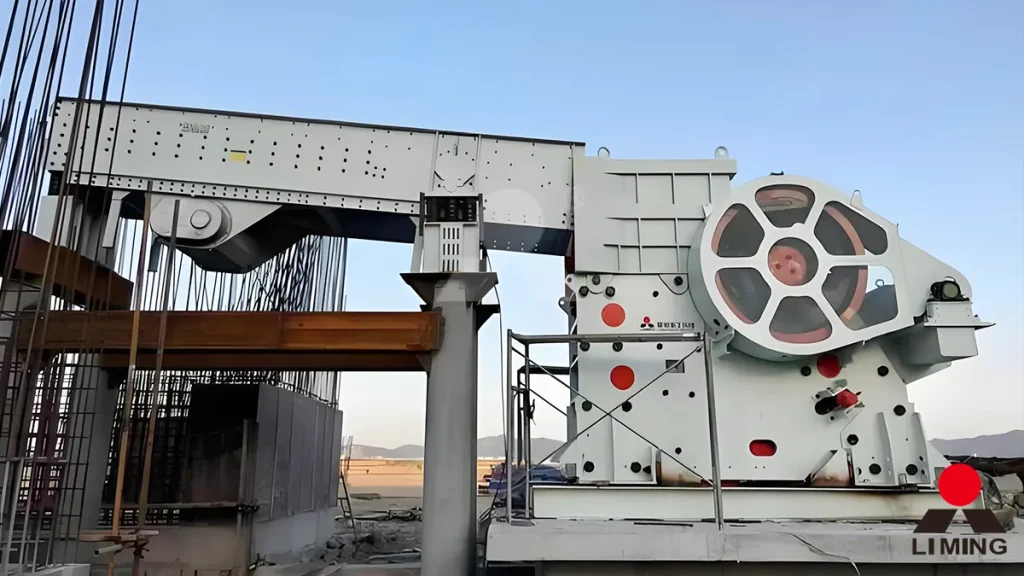
I start the layout with the F5X1260H Vibrating Feeder. This unit is built to sustain a continuous feed of 600 to 800 tons per hour. Its heavy-duty grizzly bars allow the fine dirt and undersized rocks to bypass the primary crusher, which prevents packing inside the crushing chamber and saves massive amounts of electrical power.
For the primary crusher, there is no room for compromise at 500 tons per hour. I integrate the C6X125 Jaw Crusher. This machine is an absolute powerhouse. It has a maximum feed opening of 800 millimeters and easily processes up to 760 tons per hour. Because it crushes the copper ore by slowly squeezing it between heavy manganese steel plates, it can withstand the extreme abrasion index of the ore. In a remote location in Kenya, minimizing the frequency of jaw plate replacements is critical for keeping daily operating expenses under control.
Stage Two & Three: Secondary and Tertiary Lamination Crushing
Once the ore leaves the jaw crusher, it is roughly 150 millimeters in size. We need to get that down to 12 millimeters before it enters the ball mills. Impact crushers are strictly forbidden in this flowsheet; the copper ore would destroy their internal rotors in a matter of hours.
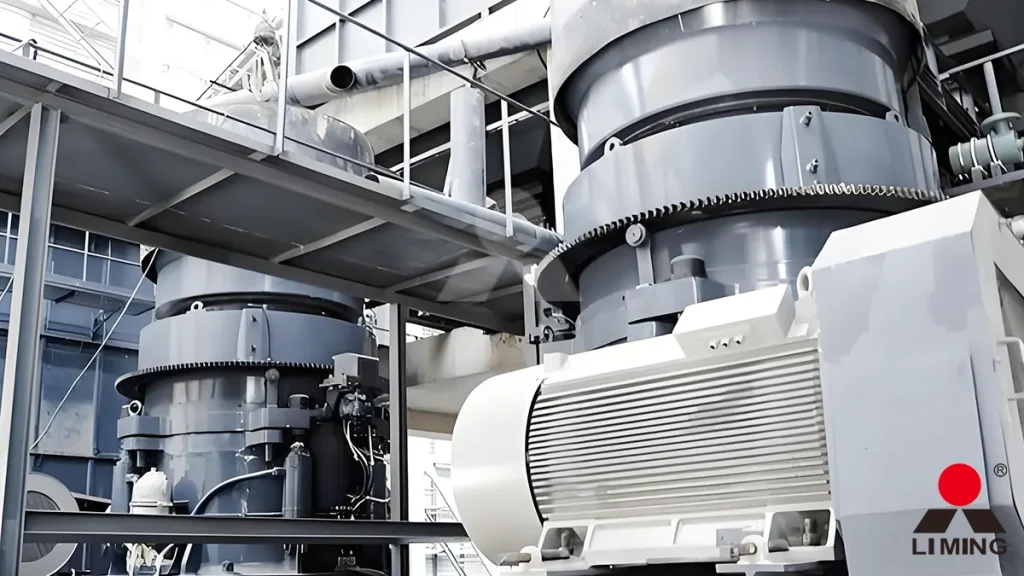
Instead, we use a two-stage hydraulic cone crushing circuit. For both the secondary and tertiary stages, I rely on the HPT500 Multi-Cylinder Cone Crusher. The HPT500 is powered by a massive 400-kilowatt motor and can handle up to 790 tons per hour, giving us a comfortable safety margin for our 500-ton requirement.
The engineering brilliance of the HPT series lies in its lamination crushing principle. The machine is designed so that the crushing chamber is constantly full of rock. As the internal mantle rotates, the pieces of hard copper ore are squeezed against each other, causing the rocks to break themselves. This significantly reduces the wear on the steel liners. Furthermore, if an uncrushable piece of excavator bucket tooth accidentally enters the chamber, the hydraulic cylinders instantly drop the mantle to let the metal pass, protecting the main shaft from snapping.
The Closed-Loop Screening System
To guarantee that no oversized ore reaches the expensive grinding mills, the entire tertiary cone crushing stage operates in a closed circuit with a heavy-duty screening station.
I route the output of the cone crushers onto an S5X2460-3 Vibrating Screen. This triple-deck screen has a processing ceiling of 800 tons per hour, effortlessly handling the circulating load. Any ore that passes through the bottom mesh (under 12 millimeters) is sent directly to the fine ore stockpile for the grinding circuit. Any stone larger than 12 millimeters bounces off the upper decks and is returned by conveyor belt back to the tertiary HPT500 cone crusher for another pass.
Final Engineering Thoughts
Designing a 500tph output copper ore crushing production line in Kenya is about managing abrasive forces and maximizing equipment availability. By utilizing the heavy-duty F5X feeder, the C6X jaw crusher, and the HPT multi-cylinder cone crushers in a closed-loop system, we create a bulletproof front end for the mine. This setup guarantees that the downstream ball mills receive a perfectly sized, consistent feed, ultimately driving down the total maintenance costs and ensuring the long-term profitability of the mining operation.

