


Iron Ore Processing Flow And Complete Metallurgical Process
Extracting high-purity iron from raw, low-grade rock is a massive, multi-stage metallurgical operation. This engineering guide details the complete iron ore processing flow and beneficiation process. Written by a senior metallurgical engineer, the article explains the critical initial stages of mineral liberation utilizing Liming Heavy Industry’s C6X Jaw Crushers and HPT Cone Crushers, followed by wet grinding in Ball Mills. It further explores the core separation circuits—including magnetic separation and reverse flotation—and concludes with the high-temperature roasting, smelting, and steelmaking processes required for commercial production.
The processing of iron ore is an incredibly complex, multi-stage metallurgical engineering operation designed to extract high-quality, high-grade iron from raw, run-of-mine rock. To successfully bridge the gap between a rugged mining pit and a modern steel mill, the ore must survive a rigorous sequence of physical comminution and chemical purification. As a senior metallurgical engineer, I will detail the primary operational steps that constitute a modern commercial iron ore processing flowsheet.
1. Crushing and Grinding (Comminution)
Before any separation can occur, the massive raw boulders must be physically broken down to liberate the microscopic iron crystals from the worthless silica gangue.
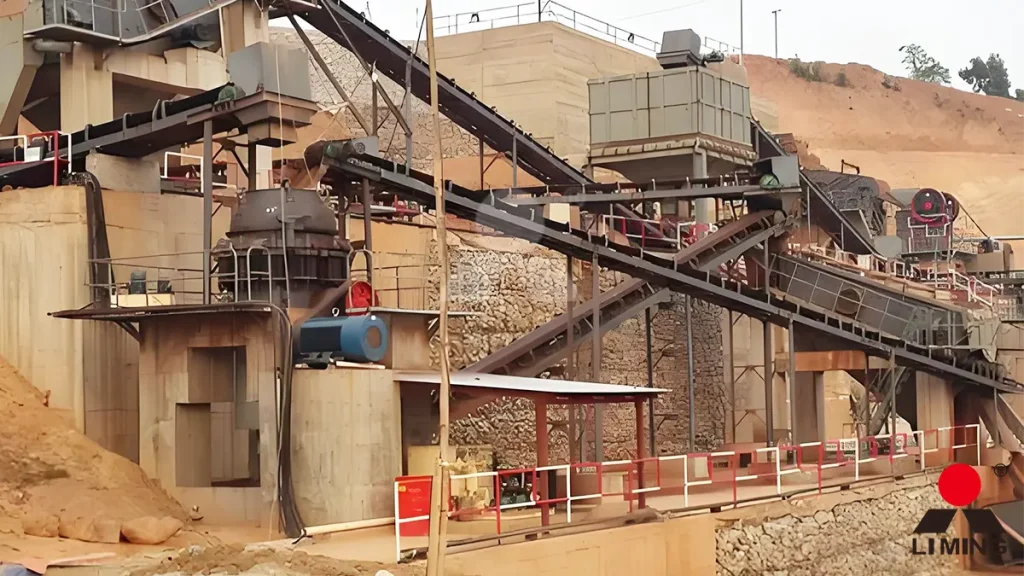
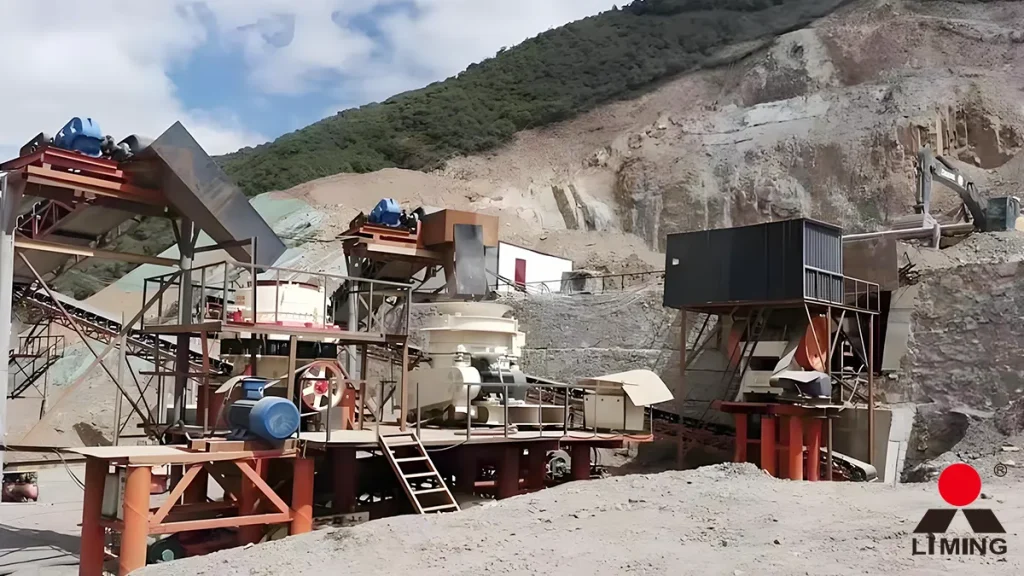
- Primary Crushing: Massive blocks of iron ore are dumped directly into a heavy-duty primary machine, such as the C6X Series Jaw Crusher from Liming Heavy Industry, for the initial coarse reduction.
- Secondary Crushing: The coarsely crushed ore passes over a vibrating screen and is conveyed into the HST Single-Cylinder Hydraulic Cone Crusher for medium reduction.
- Tertiary Fine Crushing: To prepare the material perfectly for the grinding mills, the ore is sent into the HPT Multi-Cylinder Hydraulic Cone Crusher for fine crushing, minimizing the downstream electrical power consumption.
- Grinding: The finely crushed, classified ore is fed uniformly into a heavy-duty Overflow Ball Mill. It operates in a closed loop with a spiral classifier or hydrocyclone, ensuring any unliberated particles are returned for regrinding.
2. Beneficiation and Separation
Once the ore is ground to a fine powder, physical and chemical separation methods (such as magnetic separation, gravity separation, and froth flotation) are deployed to extract the high-grade iron ore and reject the impurities.
In modern concentrators, advanced process flows have become the industry standard. Highly efficient circuits such as the “Stage Grinding → Low-Intensity Magnetic Separation → Reverse Flotation Process,” the “All-Magnetic Separation Process,” and the “Ultra-Fine Crushing → Wet Magnetic Tailings Rejection Process” are widely implemented to maximize recovery rates and lower daily operating expenses.
3. Magnetic Separation
For highly magnetic ores like magnetite, the ground powder that meets the liberation requirements is pumped directly into wet drum magnetic separators. Operating within a strong magnetic field, these machines cleanly pull the iron particles away from the non-magnetic silica waste, acting as the absolute core of the purification process.
4. Froth Flotation
For weakly magnetic ores like hematite, or magnetic ores heavily contaminated with silica and phosphorus, froth flotation is mandatory. Following the initial magnetic separation, the slurry undergoes a flotation operation. By adding specific chemical reagents to alter the surface properties of the minerals, engineers exploit the differences in density, buoyancy, and hydrophobicity between the iron and the gangue to isolate the final, high-grade iron concentrate.
5. Roasting
The purified iron concentrate is subjected to intense thermal roasting. This high-temperature treatment induces physical and chemical changes, significantly increasing the overall iron grade while simultaneously burning off harmful volatile impurities, such as sulfur, preparing the material for the blast furnace.
6. Smelting
The roasted iron ore (often agglomerated into pellets or sinter) is loaded into a massive blast furnace along with limestone and metallurgical coke. Under extreme high-temperature smelting conditions, the carbon monoxide generated by the burning coke chemically reduces the iron oxides back into raw, liquid metallic iron (pig iron).
7. Refining and Steelmaking
The molten pig iron produced in the blast furnace contains excess carbon and impurities. It is transferred to a Basic Oxygen Furnace (BOF) or an Electric Arc Furnace (EAF) for further high-temperature smelting and refining. Oxygen is blasted into the melt to remove the excess carbon, ultimately yielding high-quality steel ingots or specialized steel alloys that meet strict commercial specifications.
Auxiliary Processing and Advanced Technologies
Beyond the primary extraction flow, the metallurgical industry relies on several critical auxiliary technologies:
- Sintering: The washed and beneficiated fine iron ore is baked at high temperatures to fuse the powder into solid lumps, removing moisture and impurities while preparing the chemical structure for the blast furnace.
- Aging (Curing): The sintered iron ore is subjected to high-temperature aging to alter its physicochemical properties, enhancing its reducibility for the smelting phase.
- Direct Reduction: An advanced process utilizing carbon monoxide or hydrogen gas as reducing agents to convert solid iron oxides directly into metallic iron (Direct Reduced Iron, DRI) at high temperatures without melting the ore.
- Intermediate Product Processing: The refined liquid steel is processed through continuous casting machines and rolling mills to produce a vast array of intermediate and final commercial steel products.
Engineer’s Final Note: It is crucial to understand that the precise equipment configurations and operational parameters of this flowsheet must be dynamically adjusted based on the specific mineralogy of the ore body and the exact production targets of the facility. The processing of iron ore is an immensely complex industrial undertaking that demands sophisticated heavy machinery and highly specialized engineering expertise to ensure long-term profitability and environmental compliance.

